


























When sending products to customers, your packaging does more than simply hold the item in place. It helps protect the product, presents your business professionally and reduces the chance of damage during storage, handling and transport.
For small businesses selling through platforms such as Amazon, eBay, Etsy, Shopify or their own website, choosing the right packaging supplies can make day-to-day order packing much easier. You don’t need a complicated setup, but you do need the right combination of cartons, protective wrapping, void fill, tape and labels.
This guide covers the basic steps for packing online orders safely and consistently.
1. Choose the right carton size
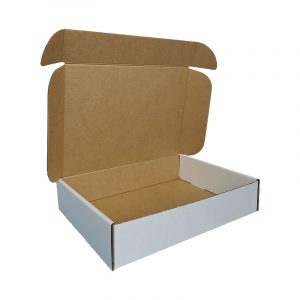
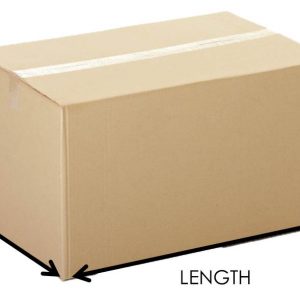
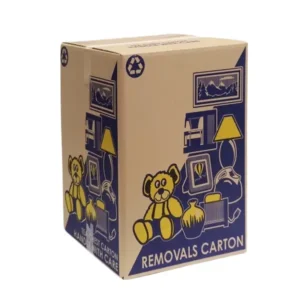
The first step is to choose a carton that is suitable for the product being packed. A box that is too small may not allow enough room for protective wrapping, while a box that is too large can allow the product to move around during transit – leading to potential damages and customer complaints.
As a general rule, your carton should leave enough space around the product for cushioning, without creating excessive empty space. If there is too much room inside the box, the product may shift, rattle or become damaged even if the outside of the carton looks intact.
For regular online sellers, it can be useful to keep a small range of cardboard cartons on hand rather than trying to make one box size work for every order. This makes packing faster and usually reduces the amount of void fill required.
2. Protect the product before placing it in the box
Before the product goes into the carton, consider whether it needs to be wrapped, cushioned or separated from other items in the order.
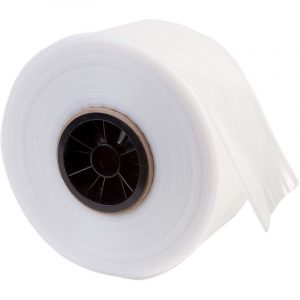
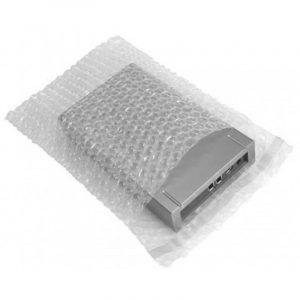
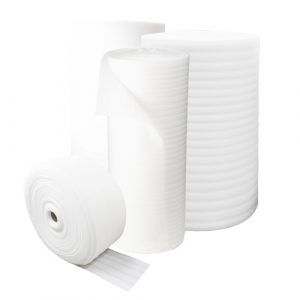
Different products require different types of protection. For fragile, breakable or irregular-shaped items, bubble wrap is a practical option because it provides cushioning around the product. For items where surface protection is more important, polyfoam can help reduce scratching, rubbing or marking during handling and transport.
For lighter protection or presentation, wrapping paper can be used to wrap individual items or separate products inside the carton. For larger items, sharp edges or awkward shapes, corrugated cardboard rolls can provide an extra protective layer before the item is packed.
The aim is to protect the product from impact, pressure, vibration and movement. For fragile items, it is usually better to wrap the item first and then place it into a carton and then add additional cushioning around it.
3. Fill empty space inside the carton
Once the product is inside the box, any remaining space should be filled so the item cannot move around freely.
This is especially important for online orders because parcels are handled multiple times before they reach the customer. A product may be packed carefully, but if it can move inside the carton, it may still be damaged during handling or transport.
Using suitable void fill helps fill gaps, stabilise the product and reduce movement inside the carton. The best option will depend on the product, the box size and the level of protection required.
For small businesses, it is worth reviewing how much empty space is being filled in each order. If you regularly need a large amount of void fill, it may be a sign that a smaller carton size would be more efficient.
4. Seal the carton securely
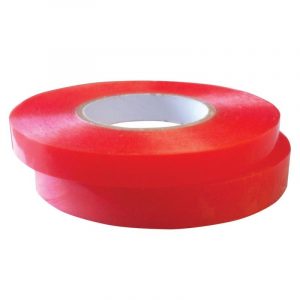
A well-packed carton can still fail if it is not sealed properly. Packaging tape should be applied firmly across the main opening of the carton, with enough tape extending down the sides to hold the flaps securely.
For heavier cartons, or boxes that may be handled multiple times, extra tape may be required along the edges or seams. The aim is to prevent the carton from opening during handling, storage or delivery.
It is also worth checking that the tape is suitable for the carton surface and weight of the parcel. Lower quality tape can lift, split or lose adhesion, especially if cartons are stored for a period of time before dispatch.
5. Use labels where extra handling care is needed
If an order contains fragile, delicate or sensitive goods, labels can help communicate handling requirements clearly.
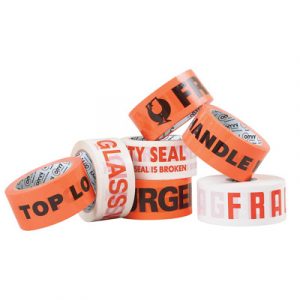
Message labels, fragile labels or printed fragile tape can be used to draw attention to parcels that need extra care. These labels do not replace good internal packaging, but they can provide an additional visual reminder during handling.
For products that must remain upright, dry or carefully handled, the right label can help reduce confusion and improve the presentation of the parcel.
6. Keep your packing area simple and consistent
For small online sellers, one of the best ways to improve packing efficiency is to keep a core range of packaging supplies ready to use.
A basic packing setup may include:
- A few suitable carton sizes
- Bubble wrap or polyfoam for product protection
- Void fill for empty spaces
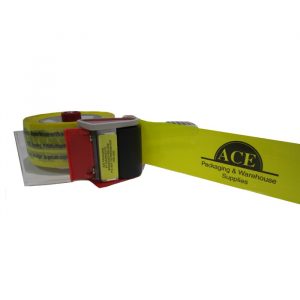
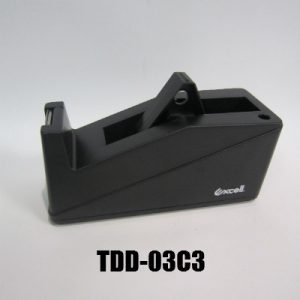
- Packaging tape and a tape dispenser
- Wrapping paper if presentation or light protection is important
- Fragile or message labels where required
Having these items ready can make order packing faster and more consistent, especially as order volume increases.
It can also help reduce last-minute packaging decisions, such as using a carton that is too large, overusing tape or packing fragile items without enough protection.
7. Review your packaging as your business grows
Many small businesses start by packing orders with whatever materials are available. That may work at the beginning, but as order volume increases, a more consistent packaging process can save time and reduce waste.
If you are regularly sending similar products, it may be worth standardising your packaging. This could mean using set carton sizes, choosing a preferred protective wrap, keeping the right labels on hand or setting up a dedicated packing bench.
Consistent packaging can help your business look more professional and make it easier for staff or helpers to pack orders the same way each time.
Final packing checklist
Before sending an online order, check that:
- The carton is the right size for the product.
- The product is wrapped or protected where required.
- Empty space inside the carton has been filled.
- The carton is sealed securely with suitable packaging tape.
- Any fragile or handling labels are clearly visible.
- The finished parcel looks neat, stable and ready for dispatch.
Good packaging does not need to be complicated, but it does need to be appropriate for the product being sent. With the right supplies and a consistent approach, small businesses can pack online orders more safely, efficiently and professionally.
Ace Packaging supplies a wide range of packaging supplies, including cartons, protective packaging, tapes, labels and other packing materials suitable for small businesses, warehouses and regular dispatch operations.